
A Guide to Buying Insurance for Food & Beverage Businesses
 REALLY HONEST
Most food and beverage founders are good at making things. So their attention is taken up by nailing recipes, sourcing ingredients and getting a listing.
Insurance tends to come later, usually when a stockist asks for it or something goes wrong.
This guide is for founders and operators building specialist F&B brands. Hot sauce, craft beer, fermented superfoods - we've seen it all. The kind of products that end up on shelves, in fridges, winning awards, and occasionally… in a claim.
This guide can't cover everything, because every business is different, and the cover that matters for a brewery distributing nationally looks different to a DTC sauce brand with three SKUs. What it will do is give you a clear view of what to think about, and why getting the right broker matters more than you might think.
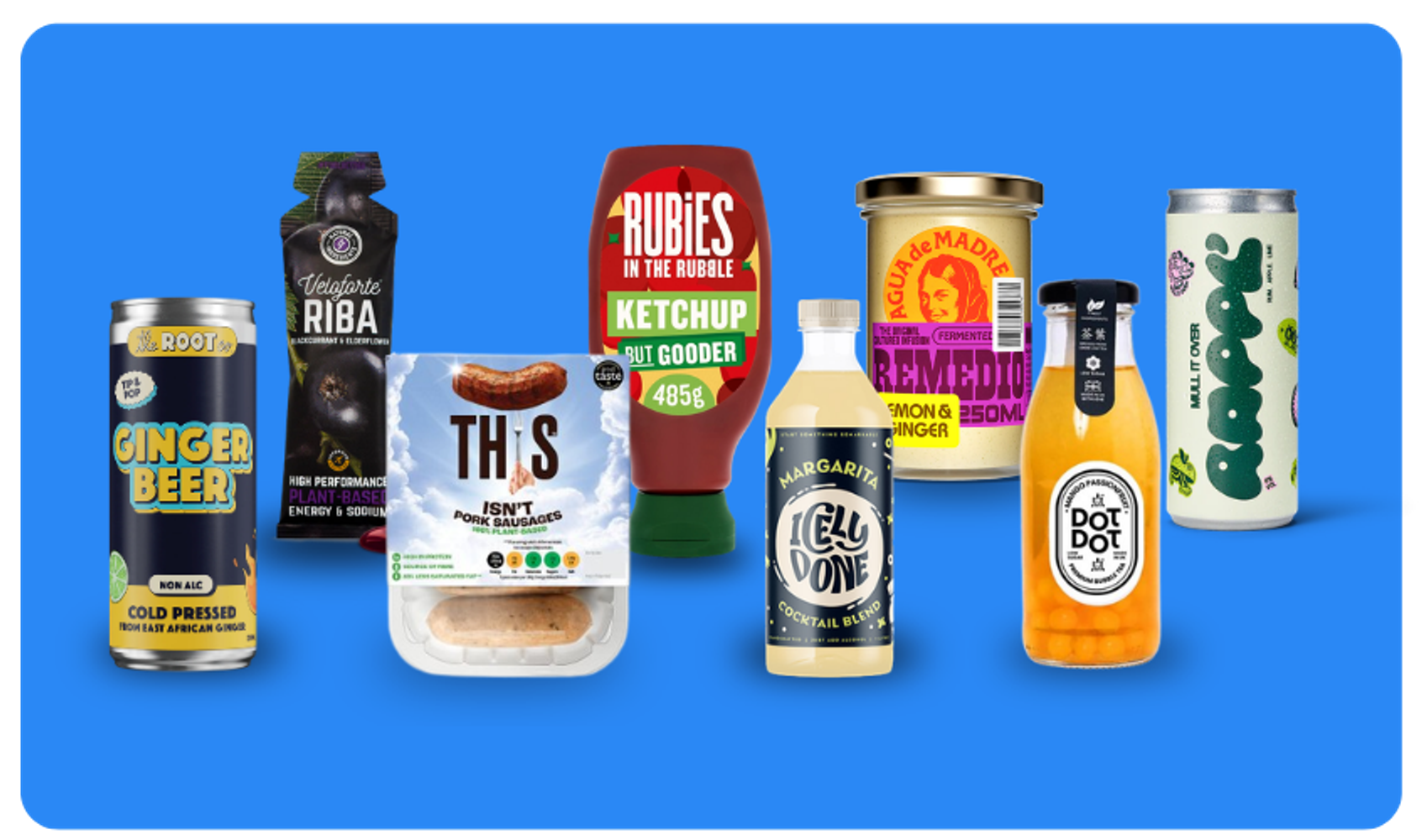
Here are some of the lovely F&B clients in the REALLY HONEST pantry;
Why Food & Bev is not a standard risk
Generic business insurance wasn't built for what you do. The risks in food and beverage are specific: contamination, allergen declarations, cold chain failure, retailer recall clauses, product liability across a supply chain that doesn't sit fully within your control.
A generic policy bought online might be cheap, and it might cover the obvious things. But will often miss the detail that matters most. More often than not, in fact.
The types of cover worth knowing about
Product Liability
If your product causes harm, whether that's an allergic reaction, a contamination issue, or an injury, product liability covers claims made against your business. For any brand selling a consumable product, this is foundational. Stockists and wholesalers will typically require it before they'll list you. Read more on product liability insurance.
Product Recall
The operational cost of a recall is separate from the liability that follows it. Retailer recall fees, logistics, disposal, crisis communications. These can add up to tens of thousands of pounds on a mid-size distribution run, before you've fixed anything.
If you sell through retail, and your contracts include recall fee clauses (most major retailers build these in), you may already have a contractual liability you haven't fully costed. There's a handy guide here.
Stock and Contents
Your stock has value. Whether it's held at your own premises, a third-party warehouse, or a co-manufacturer, the right policy covers it. This is particularly relevant if you're holding significant finished goods inventory, or if your raw materials are expensive or hard to replace quickly.
Public Liability
If someone is injured or their property is damaged as a result of your business activities, public liability covers the claim. At events, markets, tastings, trade shows. Anywhere your business operates in the physical world.
Employers' Liability
Legally required if you have employees. Covers claims from staff relating to injury or illness caused by their work. If you use contractors regularly, it's worth checking whether your policy extends to them. Oh look, a handy guide to Employers’ Insurance.
Directors & Officers
As your business grows, so does the personal exposure of the people running it. D&O covers leadership decisions that result in claims. Regulatory investigations, investor disputes, alleged mismanagement. Less immediately obvious for early-stage brands, but increasingly relevant as you raise capital or take on listings with major retailers. Better to have it and not need it…
Cyber Insurance
Not the first thing most F&B founders think about, but worth considering if you hold customer data, run an e-commerce operation, or rely on digital systems for orders and logistics. A data breach or ransomware attack can disrupt a business just as effectively as a product issue. Read more on cyber insurance here.
This list is not exhaustive
The covers above are the most common starting points for F&B brands. They are not the full picture.
Depending on your business, you may also need to think about goods in transit, business interruption, trade credit insurance, or cover specific to your routes to market.
A brewery with a taproom has different exposure to one that sells exclusively wholesale. A brand importing ingredients from overseas has risks that a domestic-only operation doesn't.
"Our clients scale fast - we’re often hearing about new fulfilment centres or launches into the US. Figuring out which insurance policies are needed, and when, shouldn’t slow them down. That’s where we come in. You tell us what’s changing, and we’ll handle the nitty gritty."
Kathryn, REALLY HONEST
This is precisely why the broker you use matters. Not just someone who can find a price, but someone who understands the sector well enough to ask the right questions and spot the gaps you haven't thought to ask about.
When to review your cover
Most businesses buy insurance and forget about it until renewal. We check in with our customers regularly to make sure their cover is fit for purpose, but for a lot of brokers it’s “set and forget”.
For F&B brands that are actively growing, that's a risk in itself. Your cover should reflect the business you're running now, not the one you were running twelve months ago (or even 6 months ago!).
The moments most likely to create a gap between your policy and your actual exposure:
A new retail listing. A major stockist may require higher liability limits or specific cover types as a condition of the listing. Check before you sign.
A new product line or SKU. Different ingredients, different allergen profiles, different risk. Make sure new products are covered under your existing policy, or that your policy is updated to include them.
A fundraise or investment round. Investors and due diligence processes often surface insurance gaps. Better to find them before they do.
Headcount growth. Employers' liability must reflect your actual workforce. If you've taken on staff since your last renewal, check your policy still covers you.
New routes to market. Selling internationally, adding a taproom, moving into foodservice. Each changes your exposure in ways a policy written for your previous model may not cover.
If any of these apply, it's worth a conversation with your broker before renewal rather than at it.
What information you'll need to get a quote
Getting a quote doesn't have to be painful, but having the right information to hand makes it faster and means the quote you get is actually accurate. Broadly, a broker will want to know:
About your business: Annual turnover, headcount, business structure, and where you're based.
About your product: What you make, how it's produced (in-house, co-manufacturer, or both), and what the ingredients are. Allergen content is particularly relevant.
About your distribution: Where you sell (retail, wholesale, DTC, export) and which markets. US exposure in particular affects pricing and cover requirements.
About your stock: Where finished goods and raw materials are held, and their approximate value. Third-party warehouse locations matter here.
About your existing cover: If you're switching brokers, your current policy documents will help. They show what you have, what the limits are, and where the gaps might be.
The more accurate this information is, the more accurate the quote. A policy built on underestimated turnover or undeclared distribution channels can create problems at the point of claim. We hate problems at the point of claim.
Common mistakes
Underinsuring stock. Stock values change, especially for seasonal businesses or brands that are scaling quickly. If your cover reflects what you held twelve months ago, it may not be enough now.
Assuming product liability covers recall. They do different jobs. Plenty of brands find this out at the worst possible moment. More on the distinction here.
Not declaring US exposure. If any of your products are sold into or distributed in the US, this needs to be on your policy. It affects both the cover available and the premium. Leaving it out isn't just a gap; it can invalidate a claim.
Buying on price alone. The cheapest policy is often the cheapest because it covers less. Sub-limits, exclusions, and conditions that look minor become very significant when you need to make a claim.
Not reading retailer contracts before signing. Major retailers build insurance requirements into supplier agreements. Signing without checking whether your cover meets those requirements is a common and avoidable mistake.
Letting cover drift at renewal. Auto-renewal is convenient. It also means your policy may not reflect how much your business has changed in the last twelve months.
What to look out for when buying
Allergen and contamination exclusions. Some policies contain exclusions or sub-limits that apply specifically to allergen-related claims. In a sector where allergen labelling errors are one of the most common triggers for recalls and liability claims, this matters.
Where cover applies. If you sell into multiple channels (retail, wholesale, DTC, international) make sure your policy reflects the full scope of where your product goes.
Third-party liability in your supply chain. If a supplier error causes a product issue, understanding where liability sits matters. Your broker should be able to walk you through how your cover interacts with your supply chain relationships.
Retailer contract requirements. Major retailers often specify minimum cover levels and specific policy requirements in their supplier agreements. It's worth having your broker review any new listing contract before you sign.
A note on price
Cheap cover is rarely cheap when you need it. The difference between a well-constructed policy and a generic one often isn't visible until a claim lands. At that point, sub-limits, exclusions, and gaps in cover become very expensive.
That doesn't mean you should overpay. It means you should understand what you're buying. You'd think that goes without saying, but people hate reading policy wording.
REALLY HONEST review the market to make sure you're getting the right cover at the best price; which is what any respectable broker should do.
Get a quote built around your business
If you're a specialist F&B brand and you want cover that actually fits what you do, get in touch. We know the sector, we know the risks, and we won't sell you a policy that looks right on paper but lets you down when it matters.

Get honest insurance
Join thousands of businesses who trust Really Honest.